
Our land is sacred. We are connected to our land.
Momentous events have taken place in our country; events that have shaped the North. We hold stories of these events, such as during the Long Ago Time when our ancestors walked amongst Tsá' Chō (Giant Beaver) and Negedehtih (Wooly Mammoth).
We know which mountains gave our people refuge during the Great Flood, and which lakes kept them alive during the Time of Two Winters. We honour Suguyā Dena, known across the North by many other names, such as Yāmoria and Memādehyaī, for bringing balance and harmony to our country and for establishing the Dena ethics that still guide us today.
The Elders often say, “We don’t own the Land; we have to take care of it for those coming behind us.” This deeply felt and inherited sense of care and responsibility for our lands and waters is braided into our Dena ways.
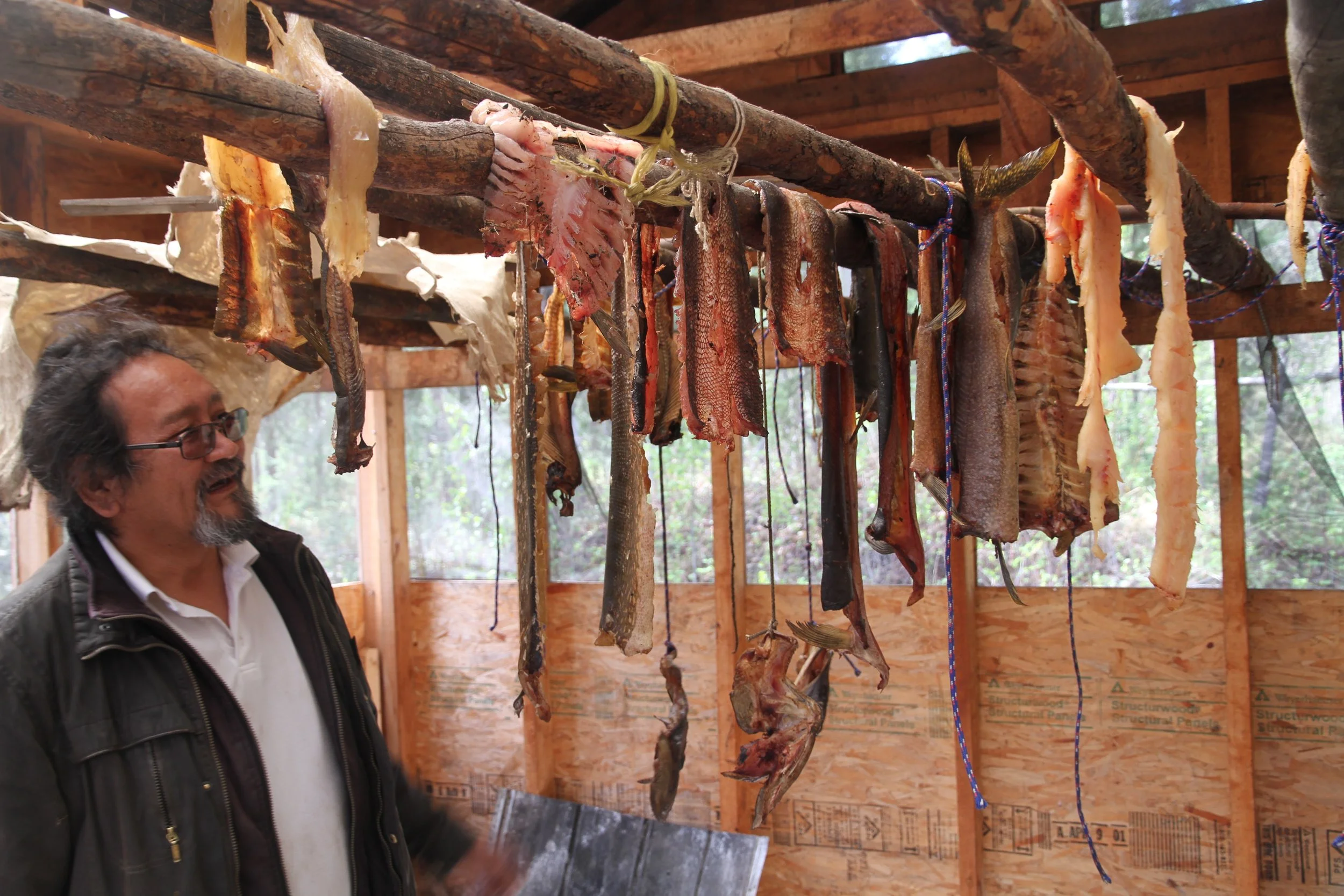
“It’s really hard for me to delegate my responsibility as a traditional land steward to somebody else.
I can’t do it… unless they’re my grandchild and I teach them real good.
But to a third party, nope, I can’t do it.”
- Norman Sterriah, Dena Elder
Photo by Josh Barichello.
We are inseparable from our land.
Respect and love for the land is encoded within our language and our laws. Our land holds us.
We have always moved through our country in a cyclical manner, according to a seasonal round born from what the land provides.
In the spring when the rivers broke, we floated along the water in moose skin boats or spruce rafts, hunting for beavers, geese, and ducks. In the mid-summer, under the midnight sun, laughter echoed the river canyons as we harvested salmon with fish traps and nets at camps on the shores. In late summer, we traveled into the mountains with dogs and packs to hunt caribou, sheep, and groundhogs (marmots) in the alpine valleys. In the coloured fall months, we hunted moose along rivers and on lake shores, while harvesting berries and roots.
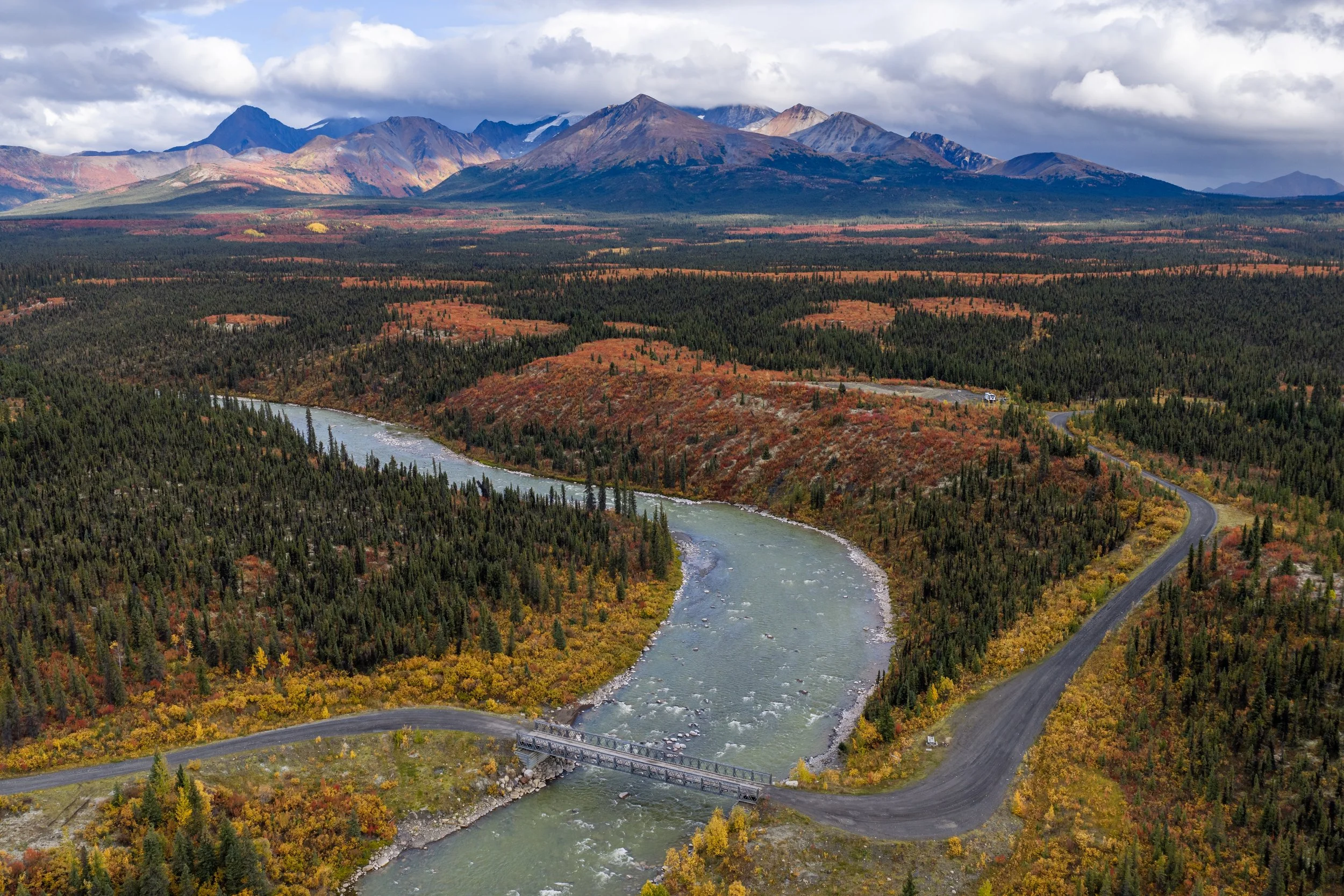
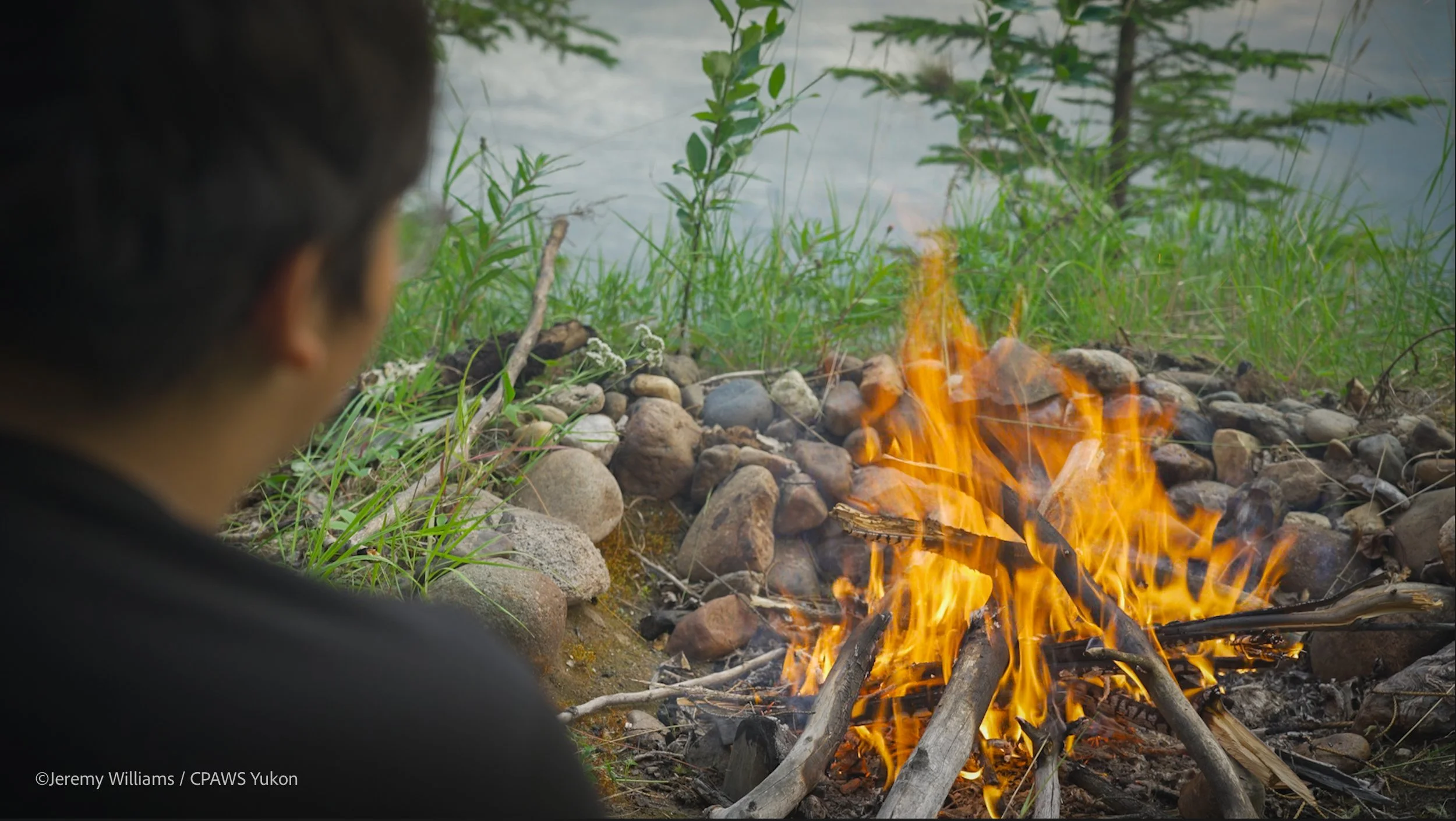
When snow coated the surrounding peaks and ice started to form on these lakes, we set nets for spawning whitefish. Through the cold and dark winter months, our people trapped for marten, lynx, wolverine, wolves, and other fur-bearers. We moved through the land with dog teams, sleighs, and snowshoes built from birch and white spruce. In late winter, we again hunted moose and caribou, using the deep and crusted snow to our advantage.
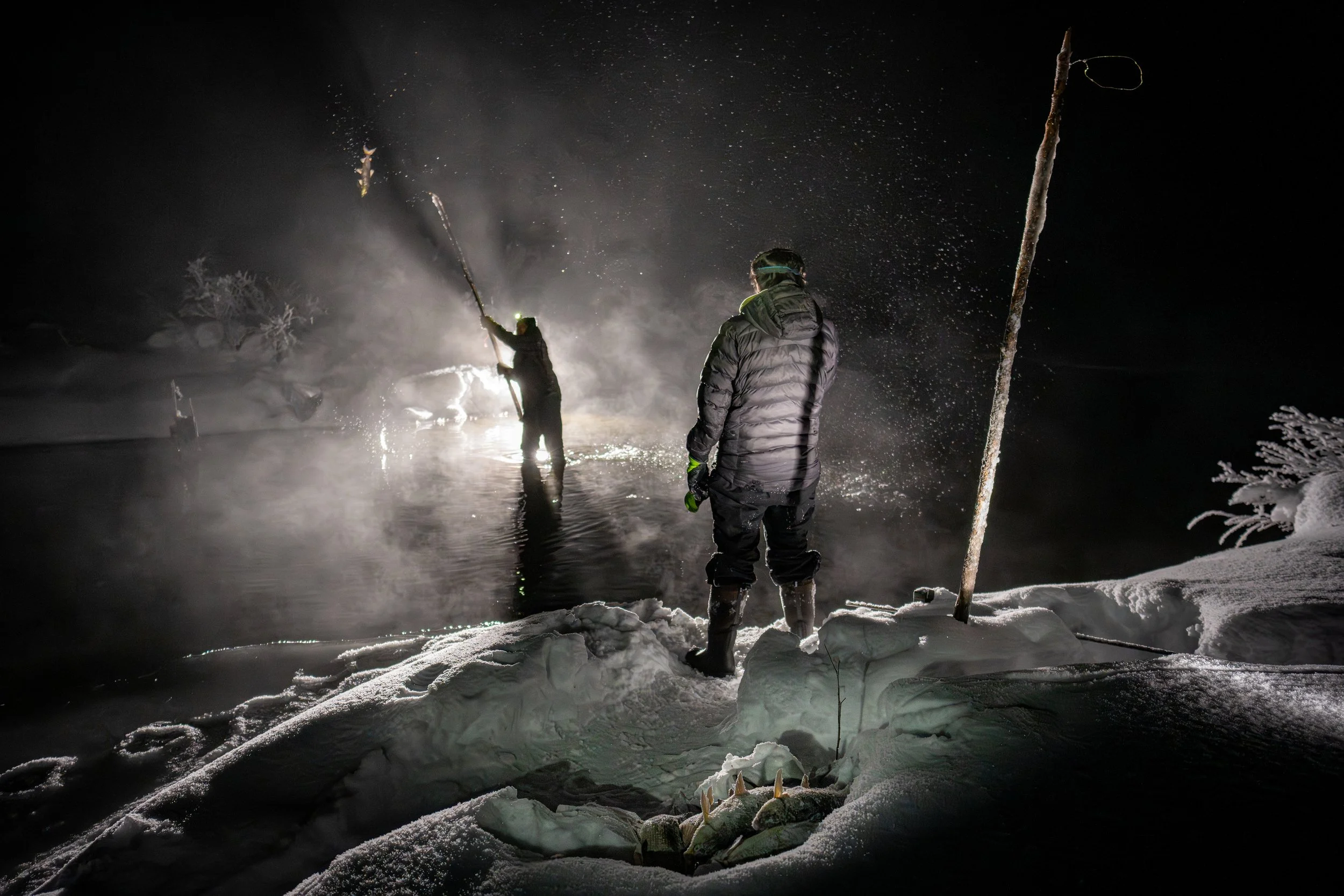
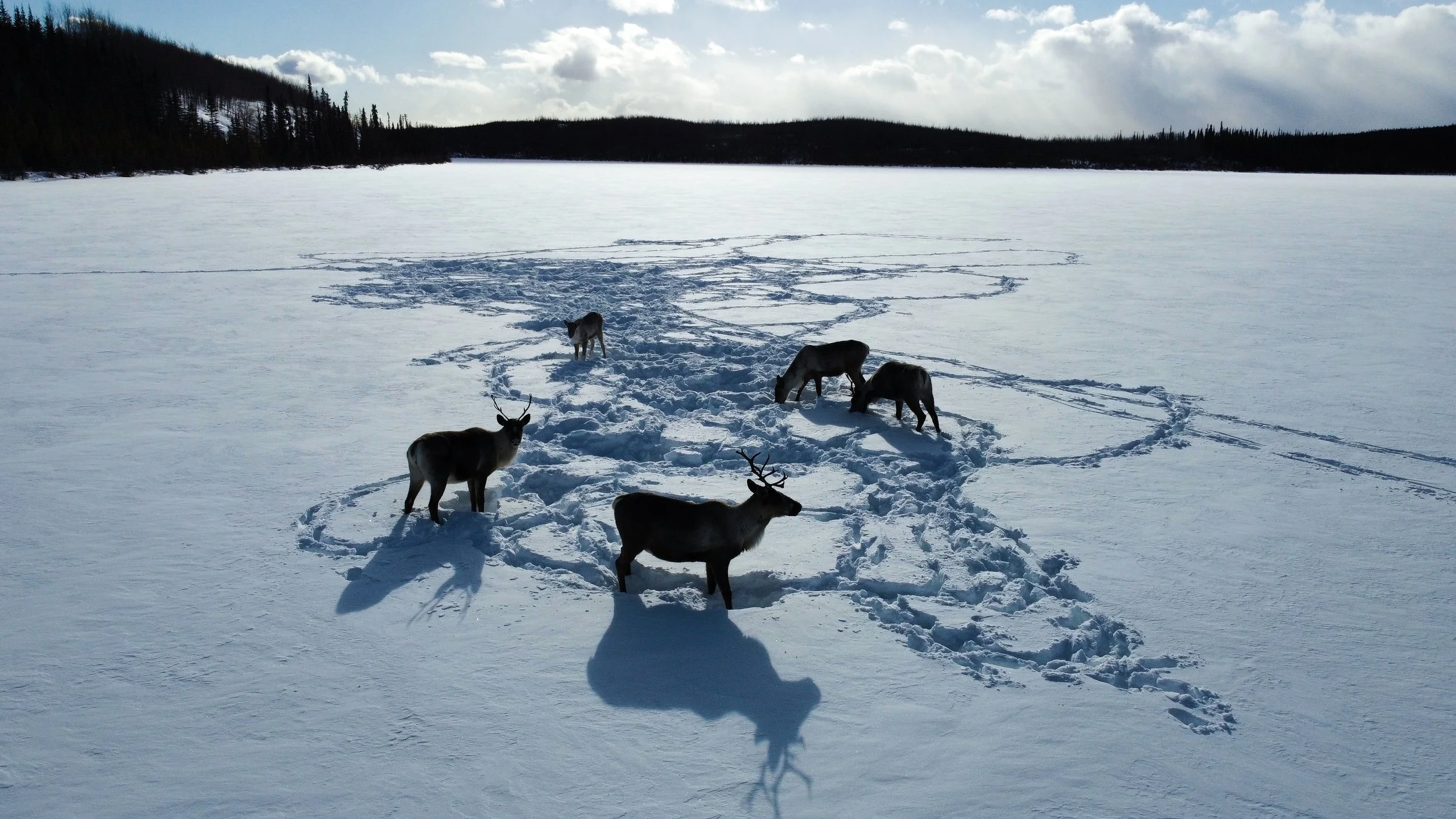
Over countless generations of being here, our ancestors learned to listen to our land; they developed brilliant skills and ways of being that are intimately tied to the pulse of the land. Through careful and methodical teachings, they passed down this knowledge of the land to us. Ross River Dena Council has been guided since 2013 by our land use plan, Gucho Kagedi (Our Ancestors’ Instructions). We have been entrusted with the sacred responsibility of continuing on the traditions of being on this land, and passing those on to the people who follow us.
This is why our community is Rising for Protection.